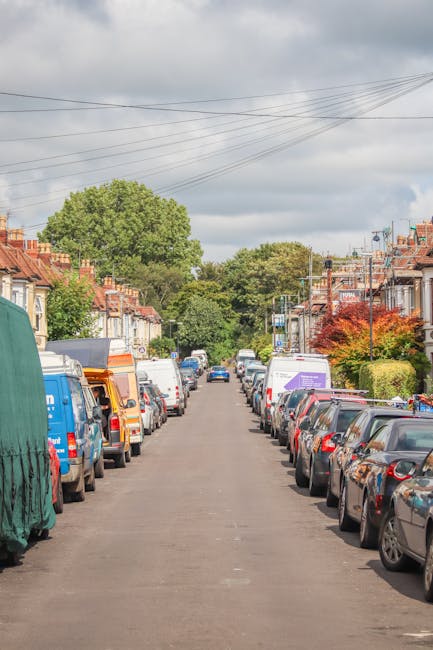
Heath Parade man and van tips for narrow street moves in RM8
If you are planning a move around Heath Parade in RM8, you already know the awkward bit is rarely the lifting. It is the access. Narrow streets, parked cars, tight turning space, and the simple question of where a van can actually stop can turn a straightforward move into a slow, stressful morning. These Heath Parade man and van tips for narrow street moves in RM8 are designed to help you avoid that headache and keep the day moving smoothly.
In practice, a good move in a tight local street comes down to preparation, vehicle choice, parking awareness, and clear communication. The people who get the best results are usually not the ones with the biggest van or the strongest arms; they are the ones who plan the approach properly. That is the honest truth. In this guide, you will find practical, local-friendly advice that covers access checks, loading strategy, safe walking routes, timing, and a few common mistakes people only notice once they are already blocking the road.
We will also look at when a man and van service makes the most sense, what to do if the street is too tight for a larger vehicle, and how to keep the move safe, realistic, and calm. If you want the short version: reduce complexity early, use the smallest practical vehicle, and make sure every stop is planned before the van arrives.
Table of Contents
- Why Heath Parade man and van tips for narrow street moves in RM8 Matters
- How Heath Parade man and van tips for narrow street moves in RM8 Works
- Key Benefits and Practical Advantages
- Who This Is For and When It Makes Sense
- Step-by-Step Guidance
- Expert Tips for Better Results
- Common Mistakes to Avoid
- Tools, Resources and Recommendations
- Law, Compliance, Standards, or Best Practice
- Options, Methods, or Comparison Table
- Case Study or Real-World Example
- Practical Checklist
- Conclusion
- Frequently Asked Questions
Why Heath Parade man and van tips for narrow street moves in RM8 Matters
Heath Parade and the surrounding RM8 streets can be demanding for removals because the road layout often leaves little room for error. A van that is easy to park on a wide suburban road can suddenly become a problem when there is limited kerb space, low tolerance for double parking, and nowhere sensible to turn without reversing carefully. When that happens, the move slows down, neighbours get frustrated, and the risk of minor damage rises fast.
That matters for more than convenience. Narrow streets often mean longer carry distances from van to front door, and that can change the whole rhythm of the move. A few extra metres sounds harmless until you are carrying a wardrobe, a sofa, or three boxes of books in damp weather with traffic passing behind you. You will notice the difference immediately. Proper planning reduces fatigue, protects your belongings, and keeps the day from feeling like a scramble.
It also matters because local moving jobs are often time-sensitive. If you are fitting a move between work shifts, school runs, or building access windows, any delay caused by poor vehicle positioning can ripple through the whole day. So, yes, this is one of those situations where a little forethought saves a lot of grief.
Expert summary: In narrow-street moves, the safest and fastest result usually comes from planning the parking point, choosing the right-sized van, and reducing the number of trips between door and vehicle.
How Heath Parade man and van tips for narrow street moves in RM8 Works
The basic idea is simple: match the move to the street, not the other way around. A sensible man and van approach starts with assessing access, then deciding what can be carried, what needs dismantling, and where the van can legally and safely wait while loading takes place.
In a tight street, the moving process usually works best in four stages. First, you identify access restrictions, such as narrow bends, parked cars, or awkward corners. Second, you choose a van size that can reach the property without causing unnecessary obstruction. Third, you pack and stage the items so they can be loaded quickly. Fourth, you move in efficient runs, keeping the route from property to van clear and predictable.
There is also a mental side to it. People often assume the van should be as close as possible to the front door, but in narrow streets that can be unrealistic or even risky. Sometimes the smarter choice is a slightly longer carry from a safe stopping point rather than trying to squeeze the vehicle into an unsuitable space. A small compromise there can prevent a much bigger problem later.
If you need a broader moving solution rather than a simple load-and-go job, it may be worth looking at removals or even home moves if the property requires more structured planning and packing support. For larger or business-related relocations, commercial moves and office removals may be more relevant.
Key Benefits and Practical Advantages
When narrow street moves are planned well, the benefits are very real. The move feels less chaotic, the crew works more efficiently, and you reduce the chances of damage to furniture, walls, kerbs, or the van itself. That is not just tidy thinking. It is the difference between a move that feels controlled and one that feels like a series of near misses.
- Less wasted time: Proper access planning means fewer vehicle adjustments and fewer "can you just move forward a bit?" moments.
- Lower risk of damage: Clear loading routes and better parking positions reduce knocks, scrapes, and crushed packaging.
- Better use of labour: A crew can focus on moving items instead of navigating avoidable obstacles.
- Less neighbour friction: A cleaner, shorter loading process tends to create fewer complaints from nearby residents.
- More realistic scheduling: You can plan around carry distances and traffic rather than assuming everything will fit neatly.
There is also a quiet benefit people often miss: a calmer move day. Once the access plan is set, everything else feels more manageable. You are not constantly reacting. You are just following the plan, which is nice for everyone involved. Surprisingly nice, actually.
If your move includes items that need careful wrapping or sorting, services like packing and unpacking services can take some pressure off. For single-item or awkward furniture moves, furniture pick up may be the cleaner fit.
Who This Is For and When It Makes Sense
This guidance is useful for almost anyone moving in or around Heath Parade RM8 where space is limited, but it is especially relevant if you are dealing with terraced homes, maisonettes, shared driveways, or streets with regular parking pressure. If you have ever looked at the road outside and thought, "Where exactly is a van meant to go?" then yes, this is for you.
It makes sense when:
- your road is too narrow for easy two-way traffic during loading
- parking is limited or tightly controlled
- you have bulky furniture that needs direct access
- you are moving solo or with minimal help
- you want a cheaper, smaller-scale alternative to a full removal crew
A man with van setup is often ideal for smaller household moves, student-style relocations, same-street transfers, and one-off collections. If the job is more substantial or includes multiple rooms, you might be better served by house removals or house movers. For people who need a flexible, practical moving option without overcommitting to a giant vehicle, a moving van can be the sweet spot.
Step-by-Step Guidance
Here is the part that usually saves the most time. Follow it in order and do not skip steps just because the move looks easy at first glance.
- Measure the access properly. Check the width of the street, the tightest turning point, gate openings, and any low-hanging branches or overhangs. A quick eyeball is not enough if the road is genuinely tight.
- Identify the best stopping point. Decide where the van can pause without blocking the flow of traffic or creating a hazard. If the front door is impossible to reach directly, pick the safest practical alternative.
- Choose the right vehicle size. A smaller van may save the day where a larger one would struggle. Bigger is not always better in narrow streets; sometimes it is just... bigger.
- Reduce loose items. Move bags, lamps, bins, and small boxes first so the main load is not slowed by clutter.
- Dismantle bulky furniture where sensible. Beds, table legs, and some shelving units are far easier to move when partially taken apart.
- Pack the loading order. Put heavier and sturdier items near the front of the load area, then stack lighter and more delicate pieces on top or around them, depending on shape and stability.
- Keep the access path clear. Make sure hallways, steps, and front-door areas are not blocked by boxes. One box in the wrong place can become a trip hazard in a hurry.
- Load in the order of use. Items needed first at the new place should go where they are easy to reach.
- Communicate continuously. One person should guide the loading flow, especially if the street is so tight that reversing or repositioning is needed.
- Do a final walk-through. Check cupboards, loft access, behind doors, and under beds. It is astonishing how often one last look saves a return trip.
If you need a lighter-duty moving solution for a single property or a quick turnaround, man and van removals can be a practical middle ground. For a more structured and supported move, it may make sense to compare removal services and removal company options before you commit.
Expert Tips for Better Results
In our experience, the best narrow-street moves are won before the van ever turns the corner. That is where the real advantage sits. A few extra decisions taken early can save a lot of awkward shuffling later.
Use two-stage packing for awkward streets
Keep a "first out" group near the front of the property and a "last out" group at the back. That way, you are not constantly hunting for items while the van waits in a restricted space. It sounds simple because it is simple, but it works.
Avoid peak parking pressure if you can
Mid-morning and early evening are often messy in residential roads. If you can schedule a little earlier or later, you may find the street less congested. Even a ten-minute shift can change how much room you have to manoeuvre.
Protect the street as well as the furniture
Narrow street moves can tempt people to drag items too close to parked vehicles or kerbs. Don't. Use blankets, a sack truck where appropriate, and careful lifting technique. A tidy move protects everyone's day.
Keep the load smaller than you think
People often overestimate how much fits in one run. Better to plan a sensible number of trips than to overload the van and make unloading a puzzle. No one enjoys playing furniture Tetris at 5 p.m.
Tell the mover about access before the day
If you are booking a local moving helper, be honest about the street width, parking situation, and any restrictions. The right operator can then bring the right vehicle and plan the approach properly. That transparency saves hassle on both sides.
Common Mistakes to Avoid
Most problems in narrow street moves are not dramatic. They are just small avoidable errors that pile up. Here are the usual culprits.
- Booking a van that is too large: It might look economical on paper, but if it cannot access the street easily, the move becomes slower and more expensive in practice.
- Assuming parking will work itself out: It rarely does. You need a plan for where the van stops and how long it can stay there.
- Leaving packing until the last minute: That leads to poor stacking, forgotten items, and slower loading.
- Ignoring carry distance: A 20-metre carry is one thing. A 60-metre carry up a tight pavement with parked cars is another entirely.
- Not checking the route at the other end: The destination can be just as tricky as the pickup point.
- Trying to force oversized furniture through narrow access: Sometimes the right answer is dismantling, not pushing.
One small but common mistake? Not telling the crew about a steep step, a narrow hallway, or a fragile wall corner. Those details matter more than people think. A two-second warning can save a chipped plaster edge and a lot of muttering.
Tools, Resources and Recommendations
You do not need specialist equipment for every move, but the right basic tools make a real difference. A narrow street move tends to reward simplicity more than anything fancy.
| Tool or resource | Why it helps | Best used for |
|---|---|---|
| Trolley or sack truck | Reduces carrying strain and speeds up repeated trips | Boxes, white goods, heavier small furniture |
| Furniture blankets | Protects corners and surfaces during close-quarters loading | Sofas, wardrobes, tables |
| Ratchet straps | Keeps items stable during transit | Stacked loads, mixed furniture |
| Marker pens and labels | Makes unloading and room placement easier | Box sorting, priority items |
| Measuring tape | Helps confirm whether a van or item will fit | Access checks, furniture dimensions |
| Phone torch | Useful for dark hallways, rear access, and evening finishes | Late moves, basements, lofts |
For moving jobs where the load is more than a few pieces but not a full house, removal van options can be a good fit. If you are comparing different vehicle types, removals van and removal truck hire are useful terms to understand, even though in narrow streets the smaller choice often wins.
It can also help to review pricing and quotes carefully so you understand what is included, especially if the job involves extra carry distance or waiting time. If you want a clearer sense of the company's standards around safety, the health and safety policy and insurance and safety pages are worth a look before you book.
Law, Compliance, Standards, or Best Practice
For a local move, the main compliance points are usually practical rather than dramatic. You need to park responsibly, avoid obstructing access, handle items safely, and respect any local restrictions that apply to the street. If parking bays, yellow lines, or loading limitations apply, those rules should be taken seriously. In London, a lot of moving-day trouble starts with someone thinking, "It'll only be five minutes."
Best practice is to plan for safe loading and unloading, keep walkways clear, and avoid creating unnecessary hazards for pedestrians, residents, and other road users. If you are using a professional mover, ask how they manage access, equipment handling, and customer belongings. A reliable provider should be able to explain their approach in plain English, not just service jargon.
There is also a trust angle. Check the provider's terms and conditions so you know what happens if access is difficult, if waiting time is required, or if an item cannot be moved safely. That kind of clarity is boring in the best possible way. It keeps surprises to a minimum.
If you are choosing between a DIY attempt and a professional service, remember this: best practice is not about doing everything yourself. It is about using the safest, most sensible approach for the road, the load, and the people involved.
Options, Methods, or Comparison Table
When a street is narrow, the best method depends on how much you are moving and how tight the access really is. Here is a straightforward comparison.
| Option | Best for | Pros | Watch-outs |
|---|---|---|---|
| Small man and van | Light to medium moves, tight streets | Easier parking, quicker access, often more flexible | May require more trips if the load is large |
| Larger moving van | Medium loads with manageable access | More space in one run | Harder to position in narrow roads |
| Full removals setup | Whole-house moves, complex logistics | More support, better for bigger jobs | Can be excessive for simple narrow-street moves |
| Vehicle plus packing help | Busy households, fragile items, time-poor moves | Less stress, better organisation | Costs more than a basic carry-only job |
The comparison is not about which option is "best" in the abstract. It is about which one fits Heath Parade-style access conditions without creating unnecessary delay. If the road is especially restricted, a smaller van and a well-organised carry plan usually beats a bigger vehicle every time.
Case Study or Real-World Example
Here is a realistic example. A one-bedroom flat move with a sofa, bed frame, mattress, boxes, and a couple of shelves sounds simple enough. But the street is narrow, parking is patchy, and the front door sits behind a short run of steps. The obvious mistake would be to send a large van and hope for the best.
The better approach is to use a compact van, arrive at a quieter time, and stage the boxes near the entrance before the vehicle arrives. The bed frame is dismantled first, the mattress is wrapped and loaded flat, and the sofa is moved last so it can go straight into the van once the heavier boxes are secured. The loading point is kept close to the property but not in a position that blocks traffic. The whole move takes a bit more thought, but less stress. Far less.
That kind of planning also helps at delivery. If the destination is another tight residential road, the team already knows to avoid trying to park too close to a bend or squeeze in beside a parked car. It sounds basic, but basic done properly is what makes these moves feel smooth.
If the job has a few awkward pieces, a service such as man with van removal can bridge the gap between a simple collection and a full-scale house move. For more general support, movers can handle the lifting while you focus on directing access and keeping the day organised.
Practical Checklist
Use this before move day if you want fewer surprises.
- Measure the narrowest access point at both properties
- Check whether the van can stop without blocking traffic
- Confirm the best time window for loading and unloading
- Decide which items need dismantling
- Label boxes by room and priority
- Keep hallways, steps, and doorways clear
- Prepare blankets, straps, and a trolley if needed
- Warn the mover about low branches, steps, or awkward corners
- Set aside keys, documents, chargers, and essentials in one bag
- Do a final check of cupboards, loft spaces, and behind doors
If you are moving a business rather than a home, the same checklist logic applies, but your priority items will likely be different. For example, office equipment and file storage should be loaded first or last depending on how quickly they need to be accessible. And if the move is large enough to feel like a logistics puzzle, removal companies or removals near me searches can help you compare local options.
Conclusion
Heath Parade man and van tips for narrow street moves in RM8 are really about one thing: making a tight-access move behave like a well-planned job instead of an improvised one. Once you understand the street, choose the right vehicle, and stage the move properly, the rest becomes much easier. You do not need to overcomplicate it. You just need to respect the access limitations and plan around them.
That is what separates a frustrating moving day from a manageable one. A bit of measuring, a bit of packing discipline, and a clear loading plan can change the whole experience. To be fair, most people are relieved by how much smoother things feel once the awkward bits are handled early. There is a certain calm in that.
Get a free quote today and see how much you can save.
And if you are still weighing up your options, keep it simple: choose the approach that makes the narrow street feel less like an obstacle and more like just another part of the route. That is usually the winning move.
Frequently Asked Questions
What is the best van size for narrow street moves in RM8?
The best van is usually the smallest one that still fits your load safely. In narrow streets, a compact or medium van is often easier to position, easier to unload, and less likely to block the road than a larger vehicle.
Should I book a man and van service for a short local move?
Yes, if the move is small to medium-sized and the access is tight, a man and van service is often a very practical choice. It gives you flexibility without paying for more vehicle capacity than you need.
How do I know if my street is too narrow for a moving van?
Check whether a van can turn in, stop safely, and leave without forcing other vehicles to reverse. If you are unsure, measure the width at the tightest point and compare it with the vehicle dimensions before booking.
What should I do if parking is limited outside the property?
Plan an alternative stopping point nearby and keep the carry route clear. In some cases, a slightly longer carry is safer and faster than trying to force a bad parking position.
Can a man with van handle furniture on a narrow street?
Yes, as long as the furniture can be moved safely and the access has been checked properly. Large wardrobes, sofas, and beds may need dismantling or additional protection before loading.
How early should I prepare for a narrow street move?
Ideally, start preparing a few days in advance. That gives you time to measure access, dismantle furniture, sort boxes, and confirm any parking or timing issues.
Is a bigger van ever better for this kind of move?
Only if the street can comfortably accommodate it. In many narrow roads, a bigger van actually slows things down because it is harder to park, reverse, and unload efficiently.
What items should I move first on moving day?
Start with smaller loose items, then move the larger furniture once the access route is clear. Important items like documents, keys, chargers, and essentials should be kept in a separate bag you can reach quickly.
How can I reduce damage during a narrow street move?
Use blankets, straps, and a sensible loading order. Keep paths clear, avoid dragging items over kerbs, and make sure everyone knows where they are walking. Small precautions make a big difference.
Do I need a professional mover for a narrow street move?
Not always, but professional help can be very useful if access is awkward, the furniture is bulky, or you want the job completed quickly and safely. It is especially worth considering when the street leaves very little room for error.
What if the new property has equally tight access?
That is common, and it just means you need to plan both ends of the move carefully. Check the turning space, door access, and parking options at the destination before the van arrives.
How do I get a better price for a narrow street move?
Be accurate about the load size, access issues, carry distance, and timing. Clear information helps the mover quote properly and may prevent extra time charges caused by surprises on the day.