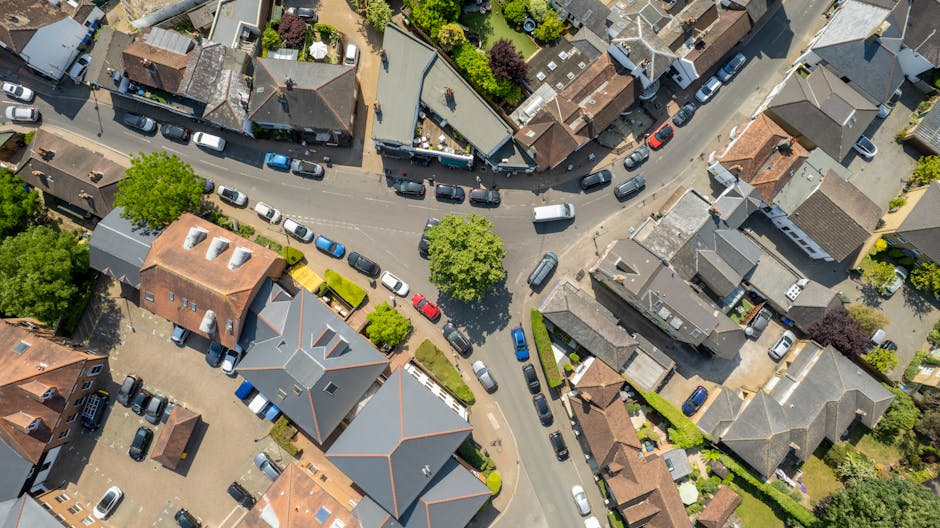
Pavement loading and street permits in Becontree Heath: a practical guide for smoother moves
If you are planning a move, delivery, or office relocation in the area, Pavement loading and street permits in Becontree Heath can feel like one of those annoying little details that suddenly matters a lot. And it really does matter. A van parked in the wrong place, a blocked footway, or a missed permit can turn an otherwise tidy move into a stressful morning with delays, warnings, or extra costs.
This guide breaks everything down in plain English. You will learn what pavement loading means, when a street permit may be needed, how the process usually works, what risks to watch for, and how to plan a load-in or load-out without the usual last-minute scramble. If you want the practical side as well, we will also cover best practice, common mistakes, and a simple checklist you can actually use.
Why pavement loading and street permits in Becontree Heath matters
Let's face it: moving is already noisy, time-sensitive, and full of things that can go slightly sideways. Add a narrow street, parked cars, busy foot traffic, or a second-floor flat, and the loading plan starts to matter very quickly. Pavement loading is the practice of moving items between a property and a vehicle while temporarily using the footway or roadside space in a controlled way. A street permit is the formal permission that may be needed to park, wait, or carry out loading on a public road in a way that would otherwise create a restriction or breach local rules.
In Becontree Heath, the issue is not just about convenience. It is about access, safety, and avoiding disruption to other road users and pedestrians. A move that is not planned properly can lead to blocked access for neighbours, awkward vehicle positioning, and a lot of back-and-forth that no one has time for. Truth be told, the best moving days are the boring ones: the ones where the vehicle is where it should be, the route is clear, and no one is trying to carry a sofa around a hatchback at 8:15 in the morning.
For households, landlords, shops, and offices, the stakes are similar but the pressure looks different. A family move might need a short loading window. A business relocation may need a larger vehicle, stricter timing, and a way to avoid interrupting customers. Either way, the aim is the same: keep the move legal, safe, and efficient.
Expert summary: if you are moving anything bulky, using a van on a public street, or relying on pavement space to make the job work, plan the permit side before the lifting side. That small bit of admin can save a surprisingly large amount of hassle.
How pavement loading and street permits in Becontree Heath works
The basic idea is simple. If a vehicle needs to use public space to load or unload, you first work out whether the activity is allowed as-is, whether a permit is needed, or whether a different parking approach is safer. The exact requirements can vary depending on the street, the timing, the size of the vehicle, and whether the loading will affect pedestrian flow or local traffic.
In practical terms, the process usually has four moving parts:
- Assess the site - look at the road width, pavement width, parking restrictions, corner visibility, and any obstructions.
- Decide the loading method - choose between kerbside loading, short-stay parking, a formal permit arrangement, or a private alternative such as a driveway or yard.
- Confirm timing - some streets are far easier early in the day, while others are calmer later on. School runs and commuter traffic can complicate things fast.
- Prepare the vehicle and team - plan the route, the order of items, and the shortest safe carry distance.
Pavement loading itself sounds straightforward, but the details matter. A quick load of boxes is one thing; moving wardrobes, white goods, filing cabinets, or office equipment is another. The bigger the item, the more important it becomes to prevent damage to paving, protect pedestrians, and avoid leaving the vehicle in a position that creates a hazard.
If you are using professional help, the right team should already be thinking about access, loading sequence, safety gear, and vehicle positioning. Services such as man and van support or a more structured removal service can be especially useful where timing and road access are tight. For bigger jobs, a moving van or even a larger moving truck may be the better fit, provided the access plan actually suits the street.
Key benefits and practical advantages
Good permit planning is not just about avoiding trouble. It can make the whole move calmer, faster, and cheaper overall. That sounds a bit optimistic, but it is true more often than not.
- Less delay on the day - the vehicle is placed where it should be, so your team can get straight to work.
- Lower risk of fines or complaints - a proper plan helps avoid avoidable enforcement issues and neighbour frustration.
- Safer lifting and carrying - shorter carry distances and clear access reduce slips, trips, and bumps.
- Better protection for property - fewer awkward manoeuvres usually means less chance of wall, step, or doorframe damage.
- More accurate scheduling - once access is sorted, your move timing becomes much easier to trust.
There is also a customer-service angle that people sometimes overlook. If the move is being done for a tenant, client, or staff team, the smoother it looks, the more confidence it builds. Nobody wants the person overseeing the move to look as though they are improvising with crossed fingers.
For commercial jobs, the benefits are even clearer. A well-planned loading setup can reduce downtime, support staged relocation, and keep staff movement organised. That is why businesses often look at options like commercial moves or office removals when the operation needs structure rather than a one-off lift-and-go.
Who this is for and when it makes sense
This topic is relevant to more people than you might think. Yes, it matters for removal crews, but it also matters for everyday moves and deliveries.
- Home movers - especially if you live on a busy road, in a flat, or in a terrace with limited parking.
- Landlords and letting agents - when arranging tenant moves, clear access planning keeps handovers tidy.
- Small businesses - deliveries, equipment swaps, and office moves often need a careful loading window.
- Furniture collectors and donors - larger items can be awkward to shift if the vehicle cannot stop near the entrance.
- Anyone using a van for bulky items - a safe loading spot can be the difference between a quick job and a frustrating one.
It makes sense whenever the move involves public highway space, narrow access, or a risk of blocking pedestrians. If you are just collecting a couple of bags from a driveway, probably not. If you are moving a sofa, a mattress, a desk, or a stack of office crates from a street-facing property, then yes, the permit question becomes much more relevant.
People often ask whether a small van can simply stop for a few minutes and that's that. Sometimes it can. Sometimes it really cannot. The honest answer depends on the road layout and any restrictions in force. A quick look on the day is not enough if the street is tight or regulated. A little planning saves a lot of shuffling.
Step-by-step guidance
Here is a simple way to approach pavement loading and street permits in Becontree Heath without overcomplicating it.
- Check the property access
Look at front steps, door width, hallway turns, lift access, and whether items will need to be carried across a pavement. In older London streets, the shortest route is not always the safest route. - Identify the vehicle type
Decide whether a man with a van, a larger removal van, or a heavier vehicle is appropriate. Bigger is not always better. Sometimes smaller is smarter. - Review the road conditions
Take note of parking bays, double yellows, loading restrictions, traffic flow, school entrances, and pavement width. If the street already feels cramped, it probably is. - Confirm permit needs early
Ask the relevant local authority or the service provider managing the move whether a street permit is needed. Leave time for processing. Last-minute requests are where people start sweating. - Schedule the move at a sensible time
Choose a slot that reduces conflict with traffic, deliveries, and neighbours. Early morning can be useful, though not every street appreciates it. Fair enough. - Prepare the load order
Put the biggest or heaviest items first, and keep fragile items easy to reach. This reduces the amount of stopping, re-stacking, and unnecessary lifting. - Protect the pavement and surroundings
Use the right moving equipment, keep pathways clear, and do not drag heavy items across surfaces. It sounds obvious, but in a real rush, obvious things get missed. - Document the plan
Keep the permit details, timing, contact number, and vehicle notes in one place. A screenshot on your phone is better than five messages and a vague memory.
If you are managing a bigger relocation, pairing the loading plan with home moves or house removals support can help you structure the day properly. For businesses, the same logic applies to office relocation services.
Expert tips for better results
After enough moving days, a few habits stand out. They are not glamorous, but they work.
- Measure the awkward things first - the sofa, the wardrobe, the desk, the fridge. These are the items that decide the vehicle plan.
- Plan for the return trip too - loading out is only half the job. Unloading at the other end can be trickier if access there is worse.
- Build in a buffer - a ten-minute margin can save the whole timetable if parking turns out to be tighter than expected.
- Use two-person carries where possible - not everything should be solo-lifted, even if it looks manageable at first glance.
- Keep pedestrians in mind - if someone has to step into traffic to get past your van, the plan needs adjusting.
- Match the vehicle to the street - a smaller vehicle can sometimes be quicker overall because it reduces parking stress.
One small but important thing: tell the driver exactly what the street looks like. A good description beats assumptions every time. "There's space" and "there's actually space" are not always the same thing. You know how it goes.
Where items are fragile or expensive, professional help with packing and unpacking services can also reduce the risk of breakages, which is especially useful if loading has to be done quickly on a busy road.
Common mistakes to avoid
Most problems with permits and pavement loading come from a handful of predictable mistakes. The good news? They are preventable.
- Leaving permits too late - this is the classic one. If the street needs approval, don't leave it until the day before.
- Assuming a short stop is always allowed - even short loading periods can be restricted in some places.
- Choosing a vehicle that is too large - it can create more access problems than it solves.
- Ignoring footway safety - a pavement may look sturdy, but heavy loads and sharp wheels can still cause damage.
- Blocking driveways or crossings - this tends to upset people quickly, and rightly so.
- Forgetting the weather - rain changes grip, visibility, and the amount of time everything takes. A damp morning has a habit of slowing things down.
- Not briefing the movers - if the crew does not know the access plan, they will waste time figuring it out on arrival.
Another mistake is treating permit admin as somebody else's problem. If you are the person arranging the move, it is worth checking what is included. Some providers handle the paperwork; others expect the customer to organise it. Do not assume. Ask plainly.
Tools, resources and recommendations
You do not need a full project management system to organise a street loading job. But a few basic tools make life much easier.
- Measuring tape - for doorways, lift interiors, stair landings, and vehicle space.
- Phone camera - take photos of the frontage, parking layout, and any restrictions signs.
- Simple moving inventory - even a basic checklist helps you prioritise large items.
- Labels and marker pens - useful for keeping the loading order efficient.
- Protective covers and straps - helpful for making loading safer and tidier.
If you are comparing moving support, it is sensible to look at practical service pages such as removals, a removal company, or removal companies to understand the type of help offered before you book. For one-off jobs, man and van removals may be enough. For larger or more delicate moves, a more structured setup makes better sense.
There is also a practical side to sustainability. If your move generates surplus items, having a plan for reuse, disposal, or recycling can cut waste and reduce last-minute dumping. The page on recycling and sustainability is a sensible read if you want your move to stay tidy from start to finish.
Law, compliance, standards, or best practice
Because pavement loading and street permits involve public space, you should treat compliance seriously. Exact requirements can vary depending on the street and the authority controlling it, so it is wise to check the current local process rather than rely on hearsay from a neighbour who moved three years ago and "did fine".
In normal UK practice, the main ideas are straightforward:
- Do not obstruct pedestrians or traffic unnecessarily.
- Do not use public highway space without confirming whether permission is needed.
- Keep the site safe while loading and unloading.
- Follow any conditions attached to a permit or parking arrangement.
- Use suitable equipment and trained handling where the load is heavy, awkward, or fragile.
Best practice is to document the plan, keep communication clear, and choose the least disruptive loading method available. If a private driveway, forecourt, or off-street option is available, that can simplify the job a great deal. If not, then a properly managed road setup becomes even more important.
Safety also matters for the people doing the lifting. Good operators should work to clear health and safety procedures, carry appropriate insurance, and avoid unsafe manual handling. If you want more reassurance before booking, reading the site's health and safety policy and insurance and safety information is a sensible move.
Options, methods, or comparison table
Not every move needs the same approach. Here is a simple comparison to help you choose the most practical route.
| Approach | Best for | Strengths | Limitations |
|---|---|---|---|
| Kerbside loading without extra arrangements | Very short, low-impact jobs in low-traffic areas | Fast, simple, low admin | Not suitable where restrictions or access issues apply |
| Street permit or formal loading permission | Moves that need public-road access or regulated parking | More controlled, better compliance, clearer planning | Needs lead time and coordination |
| Private driveway or off-street loading | Homes, offices, or sites with private access | Least disruptive, usually easiest to manage | Not always available |
| Professional removal support | Bulky, fragile, or time-sensitive moves | Better planning, safer handling, less stress | Can cost more than a DIY approach |
To be fair, the cheapest option is not always the cheapest in the end. If a DIY plan takes twice as long because the van cannot park properly, it may stop looking like a bargain pretty quickly.
Case study or real-world example
Here is a realistic example. A couple moving from a flat in Becontree Heath needed to move on a Saturday morning. The property was on a road with limited parking, and the items included a bed, two wardrobes, a sofa, and several packed boxes. At first, they thought a quick van stop would be fine. Then they checked the frontage more carefully and realised the vehicle would have to block part of the kerb if they were not careful.
Instead of leaving it until moving day, they arranged the vehicle size in advance, selected an early slot, and made sure the loading route was clear. They also separated the heaviest items and kept the boxes by room so they could go straight into the van in order. The result was not dramatic. That was the point. The loading was calm, the pavement stayed clear enough for pedestrians, and the whole move finished within the expected window.
What changed the outcome was not some clever trick. It was just planning. A small, sensible plan. Sometimes that is all it takes.
Practical checklist
Use this checklist before the move day arrives:
- Measure the main items and the access points.
- Check whether the street has parking or loading restrictions.
- Confirm whether a permit or permission is needed.
- Choose the right vehicle size for the street.
- Book enough time for loading and unloading.
- Tell the movers about stairs, lifts, or narrow hallways.
- Set fragile items aside and label them clearly.
- Keep the pavement route clear for pedestrians.
- Have the contact details, timing, and plan ready on your phone.
- Build in a small time buffer for traffic or weather.
Quick takeaway: the best loading plan is the one that feels almost uneventful on the day. If everything is calm, short, and obvious, you probably did it right.
For straightforward support with moving day logistics, you can also explore man with van removal or broader removals near me options if you are comparing what kind of assistance suits your situation best.
Conclusion
Pavement loading and street permits in Becontree Heath are one of those topics that only seem small until the day you actually need them. Then they become very, very important. The good news is that once you understand the access, timing, and permit side of the job, the rest becomes much easier to manage.
Whether you are moving home, relocating an office, picking up furniture, or arranging a larger vehicle stop on a busy street, the winning formula is the same: plan early, keep the route clear, and match the vehicle to the space instead of forcing the space to suit the vehicle. That little bit of discipline saves stress, money, and awkward apologies to neighbours.
Get a free quote today and see how much you can save.
And if you are still weighing up the practical side, trust your instincts. A move that looks simple on paper can be a lot more complex at kerbside level. Better to be the person who planned ahead than the one standing in the road, wondering why the sofa is now the size of the doorway.
Frequently Asked Questions
What does pavement loading mean in practical terms?
Pavement loading usually means moving items between a property and a vehicle using the shortest safe route, which may involve temporary use of the footway or roadside area. The key is doing it safely and within any local restrictions.
Do I always need a street permit for loading in Becontree Heath?
Not always. It depends on the road, any parking restrictions, the type of vehicle, and how long the loading will take. If the vehicle is stopping on a regulated street or could block access, a permit or formal arrangement may be needed.
How far in advance should I plan permit arrangements?
As early as possible. Even when the request is straightforward, last-minute planning adds risk. Give yourself enough time to confirm the street rules, vehicle size, and any approval process.
Can a small van just stop briefly to load and unload?
Sometimes yes, sometimes no. A short stop may still cause problems if the street has restrictions or if the vehicle blocks pedestrians, driveways, or traffic flow. It is better to check than assume.
What happens if I ignore the loading rules?
You may face delays, complaints, enforcement action, or extra costs. Even when nothing formal happens, poor planning can make the move slower and more stressful than it needs to be.
Is pavement loading safe for heavy items?
It can be, if the items are handled properly and the route is clear. Heavy goods should be moved with the right equipment and enough people to lift safely. Do not make a heroic mistake with a wardrobe, honestly.
What is the best vehicle size for a street move?
The best size is the one that fits the access and the load. A larger vehicle may seem efficient, but it can be awkward on tight roads. A slightly smaller van can sometimes make the whole job quicker.
Are office moves treated differently from home moves?
Often yes, because office moves may involve more bulky items, stricter timing, and more people on site. They also usually need clearer coordination to avoid disruption to staff or customers.
What should I tell the movers before the job starts?
Tell them about access restrictions, parking limits, stairs, lifts, fragile items, the number of boxes, and the preferred loading order. Clear information upfront saves a lot of muddle later.
How can I reduce the risk of delays on moving day?
Measure everything, check the road restrictions early, choose the right vehicle, and keep a time buffer. Small delays are normal; avoidable chaos is not.
Can removal help include permit planning and loading support?
Often it can, depending on the provider and the service level. If you want a more organised move, ask what is included before booking and make sure the access plan is agreed in advance.
What if I need to move furniture on a tight residential street?
That is exactly the sort of situation where access planning matters most. A narrow street may need a smaller vehicle, a smarter timing window, or a formal loading arrangement so the job can be done without disruption.