Avoid parking fines: Barking and Dagenham Council rules
Posted on 26/06/2026
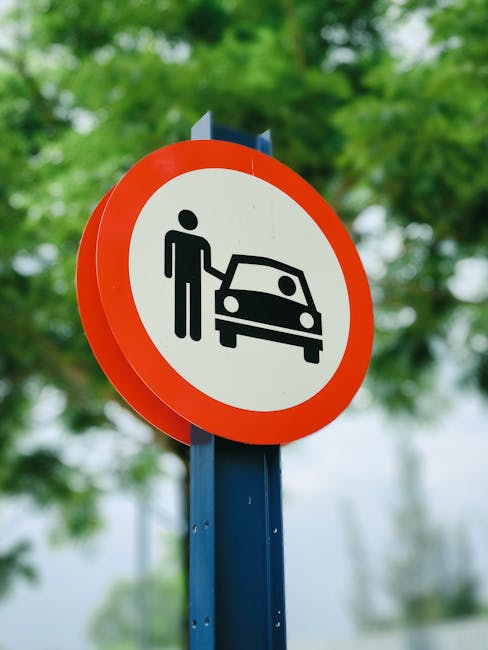
If you are planning a move, a delivery, or even a quick stop outside a flat, Barking and Dagenham parking rules can catch you out faster than you expect. One minute everything looks fine; the next, a yellow line, a permit bay, or a loading restriction has turned a normal day into an avoidable fine. The good news? Once you understand the basics of avoid parking fines: Barking and Dagenham Council rules, the whole thing becomes much more manageable.
This guide explains the practical side of parking in the borough: what the rules usually mean, how restrictions affect moving day, where people tend to slip up, and how to plan properly so you are not left staring at a penalty notice on the windscreen. We will keep it plain-English, local, and useful. No fluff. Just the things that actually help.
Why Avoid parking fines: Barking and Dagenham Council rules Matters
Parking fines are not just irritating; they can throw off a whole day. In Barking and Dagenham, the problem is often not bad behaviour but simple misunderstanding. A van stops for ten minutes, a resident bay is mistaken for general parking, or someone leaves a wheel slightly over a line and assumes it will be ignored. Sometimes it is. Often it is not.
That matters even more if you are moving house. Removals bring timing pressure, awkward loading, and plenty of heavy lifting. You are focused on doorways, stairs, and whether the sofa will turn the corner. Meanwhile, the parking restriction outside can be doing its own little trap-door act. That is why a basic grasp of the borough's rules is so useful.
There is also the human side of it. A fine on a moving day can sour the mood quickly. It is one of those dull, expensive surprises that nobody needs. And to be fair, it is often completely avoidable with a bit of planning and a calm check of the signs before unloading starts.
Expert summary: The easiest way to avoid parking penalties in Barking and Dagenham is to treat every stop as a parking decision, not just a quick pause. Check signs, confirm the bay type, and assume restrictions may apply even when the street looks quiet.
How Avoid parking fines: Barking and Dagenham Council rules Works
At a practical level, parking enforcement in the borough is about matching your vehicle and your stop to the restrictions that apply at that exact place and time. That sounds obvious, but on the ground it gets messy. Different bays, different times, different permit rules, and different meanings depending on the sign. A van in a loading area is not the same as a car in a residents' bay, and a short stop does not automatically make it acceptable.
Think of it this way: the kerb is only half the story. The sign above it, the road markings, and the timing all matter together. In many local streets, particularly near estates, flats, and busy access roads, the rules can change from one side of the road to the other. You may need to read carefully, not just glance.
For moving day, this usually means three things:
- Confirm the space type before the van arrives.
- Check time restrictions rather than assuming short stays are fine.
- Plan for loading only where permitted, and do not overstay the permitted time.
If a property has difficult access, the parking plan should be part of the move plan. That is especially true in local streets where turning space is tight or loading is only realistically possible in one small window. Our own advice is simple: never leave parking to the last minute. That is when people make the kind of rushed decisions that end in a ticket, or worse, a tow.
If you are coordinating a house move, it also helps to think alongside packing and access planning. Resources such as practical packing tips for your home and a stress-free house move plan can make the day smoother, because the less time you spend fumbling with boxes at the kerb, the less exposure you have to restrictions.
Key Benefits and Practical Advantages
Following local parking rules is not just about staying out of trouble. It has real practical benefits on a moving or delivery day.
- Lower risk of fines and penalty notices.
- Smoother loading because you are not rushing to beat a restriction.
- Less stress for neighbours, which matters in flats and narrow streets.
- Better timekeeping for removals teams and drivers.
- Safer handling of bulky items because nobody is panicking about a ticket.
There is also a reputation benefit that people overlook. If you are a landlord, tenant, business owner, or moving crew, getting the parking side right signals that you are organised. In shared buildings, that can prevent complaints before they start. A van parked neatly, with clear access kept open, makes a much better impression than a haphazard stop that blocks a gate or bends everyone's day out of shape.
For the reader planning a move, this is where practical service pages can help you understand the bigger picture. You might find it useful to look at removals in Becontree Heath or man with a van in Becontree Heath if you are trying to match the right type of help to the access and parking conditions you actually have.
Who This Is For and When It Makes Sense
This guidance is for anyone who stops a vehicle on a street in Barking and Dagenham and wants to avoid a costly surprise. That includes:
- people moving into or out of flats
- families arranging house removals
- students shifting between term-time accommodation
- office teams coordinating a business move
- drivers making furniture deliveries
- self-employed movers and van operators
It makes particular sense if you are dealing with limited access, basement steps, estate roads, or a street where a van cannot simply park anywhere and hope for the best. The tighter the access, the more valuable it is to plan around the parking. That is not glamorous, obviously. But it saves headaches.
Local moving scenarios often need a bit more care than people expect. If you are navigating estate roads or awkward turning space, it may help to read about tight street moves in Becontree Heath or access tips for Becontree Station flats. These kinds of situations are exactly where parking mistakes happen. Not because people are careless, but because the environment is awkward.
Step-by-Step Guidance
If you want the shortest route to a clean, compliant stop, use a simple planning process. It does not need to be complicated.
- Identify where the vehicle will stop. Pin down the street, the side of the road, and the nearest bay or loading point.
- Read the signs on site. Do not rely on memory, assumptions, or what looked fine last month.
- Check the bay type. Resident permit, pay-and-display, loading bay, shared-use bay, or single yellow line all mean different things.
- Check the times. Restrictions often depend on the day and the hour. A space that is fine in the morning may not be fine later.
- Plan the unloading sequence. Get the heaviest or most awkward items off first so the vehicle is not sitting there longer than necessary.
- Keep proof where needed. If a permit or booking applies, keep it visible and make sure it is valid for the vehicle and the street.
- Do a final check before leaving the vehicle. Wheels, signage, bay lines, pedestrian access, and entrance gates all matter.
That last step sounds tiny, but it is the one people miss when they are tired. A quick 20-second walk-around can save a lot of grief. Truth be told, it is usually the second or third thing that goes wrong on a moving day, after the kettle and before the missing keys.
For bulkier items, planning the route from the van to the property is just as important as the parking spot itself. If you are shifting large furniture, it can help to read bulky furniture removal advice for Becontree Estate and Valence House access guidance. Those local constraints often decide whether the vehicle stays legally parked long enough to finish the job comfortably.
Expert Tips for Better Results
When parking is tight, small decisions make a big difference. Here are the habits that tend to prevent trouble.
- Arrive a little earlier than you think. Five extra minutes can be the difference between a calm stop and a rushed one.
- Carry a torch or use your phone light if you are working early or late. Signs and bay markings are easier to miss in poor light.
- Keep one person free to watch the vehicle. If everyone runs inside, mistakes happen.
- Use the closest lawful stop, not the closest stop. Those are very different things.
- Break the load into stages. Fewer trips can help, but only if you are not holding up the road.
- Stay alert for school times, rush periods, and local traffic patterns. A road that feels calm at 9am may feel very different at 3pm.
If you are using a removals team, ask how they handle parking on constrained streets. A good crew will already think in terms of access, manoeuvring room, and legal stopping positions. That is one reason some people prefer a dedicated removal van or a more flexible man and van service where the setup matches the street better.
And if you are dealing with a long queue of boxes or a late-evening shift, do not try to save time by bending the rules. It rarely works out. Not worth it, really.
Common Mistakes to Avoid
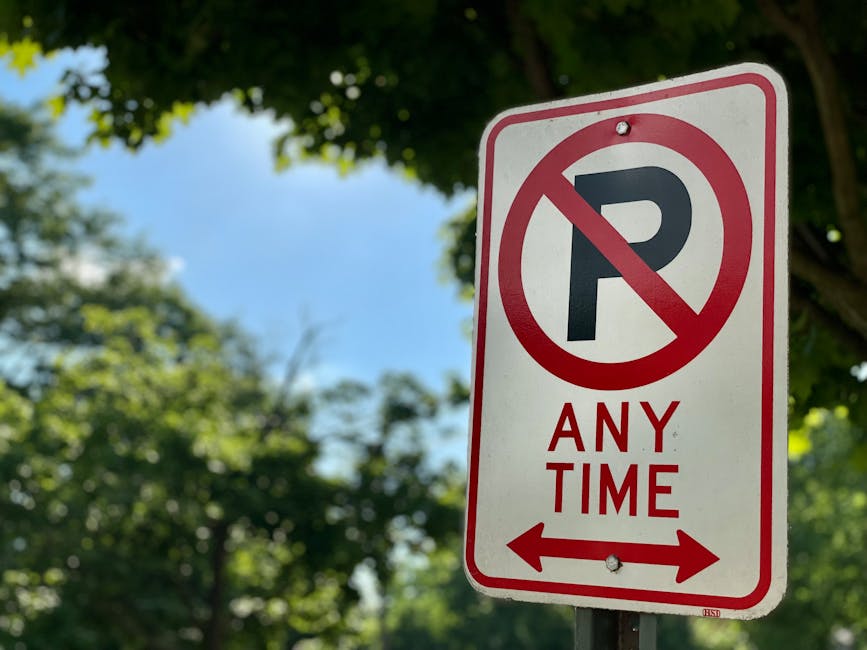
Most parking fines are not dramatic stories. They are ordinary slips. Here are the ones people make most often.
- Assuming loading is always allowed. It is not always allowed, and where it is allowed there may be a limit.
- Ignoring the nearest sign because the bay looks empty. Empty does not mean unrestricted.
- Parking partly across markings. A few inches can matter.
- Letting the vehicle overstay while unloading the last item. The last item is often the slowest, unfortunately.
- Forgetting that different vehicles may need different permission. A van and a car can be treated differently in some situations.
- Not checking for changes on the day. Temporary suspensions, works, and event-related restrictions can appear quickly.
A quieter but costly mistake is not matching the parking plan to the property type. Flat moves, office moves, student moves, and estate clearances all create different levels of pressure. A house move in a wider street is one thing; a top-floor flat with one narrow access route is another. If you are planning a move in a compact building, it may help to look at timing and stairwork for Dagenham Heathway flat moves and tips for moving out of Becontree Station flats.
Tools, Resources and Recommendations
You do not need a mountain of equipment to avoid parking trouble, but a few simple tools help a lot.
- Phone notes or a checklist for the exact stop location and time window.
- Photos of signs and bays if you need to confirm what was on street at the time.
- Maps or route planning to spot tight turns and one-way streets before arrival.
- Boxes and packing materials so items can be moved in fewer, more efficient trips.
- A sensible unloading order for heavy and fragile items.
If you want to reduce the amount of time a vehicle sits outside, preparation matters. The cleaner and more organised the load, the faster the job tends to go. That is why articles like decluttering before moving and getting a home ready for its next chapter are so relevant. Less clutter means fewer trips, and fewer trips usually mean less exposure to parking restrictions.
For fragile or specialist items, it is worth looking at related guidance too. A piano, for example, is not something you want to rush from a bad parking position. The same goes for large white goods. If the street is tricky, the right support can save both the item and your nerves. That is where practical service pages such as piano removals in Becontree Heath and furniture removals support can fit into the bigger picture.
Law, Compliance, Standards, or Best Practice
Parking compliance in the UK is a mix of local traffic orders, road markings, sign instructions, and common-sense safety. The precise details can vary by street, so the safest approach is to treat the signs and markings in front of you as the authority for that location. If a restriction is shown, it normally applies unless an exemption clearly covers your situation.
For movers and drivers, best practice usually means three things:
- Follow the posted restriction exactly. Do not interpret "close enough" as compliant.
- Keep loading activity safe and brief. Do not block crossings, driveways, or access routes longer than needed.
- Use lawful loading only when the street conditions support it. If the vehicle cannot be positioned properly, move it rather than forcing the stop.
There is also an informal standard that good operators follow: if there is any doubt, check before the vehicle is left unattended. That is not bureaucracy for its own sake. It is about avoiding disputes later, and it protects both the driver and the customer.
If your move involves insurance-sensitive items or a busy site, it helps to work with an operator that takes safety seriously. A straightforward way to compare that is to review insurance and safety information and, if you are still planning the project, the services overview so the move format matches the parking reality.
Options, Methods, or Comparison Table
There is no one-size-fits-all parking solution for moves. The right option depends on the street, the size of the vehicle, and how long loading will take. Here is a simple comparison.
| Approach | Best for | Pros | Watch-outs |
|---|---|---|---|
| Short lawful stop close to the property | Quick pickups, light loads | Fast and efficient | Easy to overstay if access is slower than expected |
| Loading bay use | Deliveries and removals with clear loading needs | Designed for short-term loading | Time limits may be tight; sign reading matters |
| Permit-based parking | Resident-heavy streets or managed areas | More suitable for longer work if properly arranged | Permit must be correct for the vehicle and time |
| Remote parking with carrying distance | Very restricted streets | Reduces ticket risk if closer spaces are unlawful | More lifting, more time, more fatigue |
In practice, the best option is usually the one that keeps the vehicle legal while still allowing the work to be done safely. That may sound obvious, but people sometimes choose a spot purely because it is convenient. Convenience is nice. A fine is not.
Case Study or Real-World Example
Imagine a two-bedroom flat move on a weekday morning in Barking and Dagenham. The customer has a sofa, a bed, several boxes, and a freezer that needs moving. The street has a mix of resident bays and a short loading area, with signs that change by time of day. The removals vehicle arrives right on schedule, but the team notices that the nearest space is not quite the right one for the full job.
Instead of squeezing in and hoping for the best, they stop slightly further along where the vehicle is clearly within the permitted loading position. The team unloads the most awkward pieces first, keeps one person on watch, and moves the smaller boxes in batches. The result? No argument over the bay, no scramble when the clock starts biting, and no fine appearing on the windscreen while everyone is inside carrying the mattress.
It is a small example, but it shows the real lesson. Good parking practice is not about being fussy. It is about reducing friction. A move already has enough moving parts, literally and otherwise. The street should not be the part that derails it.
If the move also involves storage, a sensible plan can reduce the pressure on the day. For example, a customer with extra furniture might use storage in Becontree Heath temporarily, which can make the actual moving day shorter and easier to park for. If a freezer or sofa is part of the plan, specialised preparation helps too; see freezer storage tips and sofa storage advice.
Practical Checklist
Use this checklist before the vehicle is left unattended.
- Have I checked the exact street and bay type?
- Have I read the sign on the street, not just relied on memory?
- Do I know the time window for stopping or loading?
- Is the vehicle fully within the permitted area?
- Have I allowed enough time for stairs, lift delays, or awkward items?
- Is someone keeping an eye on the vehicle while loading happens?
- Have I planned the heaviest items to go first?
- Have I checked for any temporary restrictions or obvious road works?
- Do I know where the vehicle will go if the first spot turns out not to be legal?
- Is the route from vehicle to property clear enough for safe carrying?
Quick reminder: if you are not fully sure the stop is legal, do not assume it is. A short pause to verify is usually far cheaper than a ticket.
Conclusion
Parking rules in Barking and Dagenham can seem fiddly at first, but they are manageable once you break them down into signs, timings, bay types, and common-sense loading decisions. That is really the heart of avoid parking fines: Barking and Dagenham Council rules: less guessing, more checking. And when you are moving, that habit is worth its weight in cardboard boxes.
If you remember only one thing, make it this: plan the parking before the heavy lifting starts. It keeps the day calmer, safer, and usually cheaper too. Not a bad trade, really.
For a smoother move, it also helps to think about access, packing, and vehicle choice as one connected job. A little preparation goes a long way, especially in busy local streets or tight estate roads. Take your time with the plan, and the day tends to take care of itself.
Get a free quote today and see how much you can save.