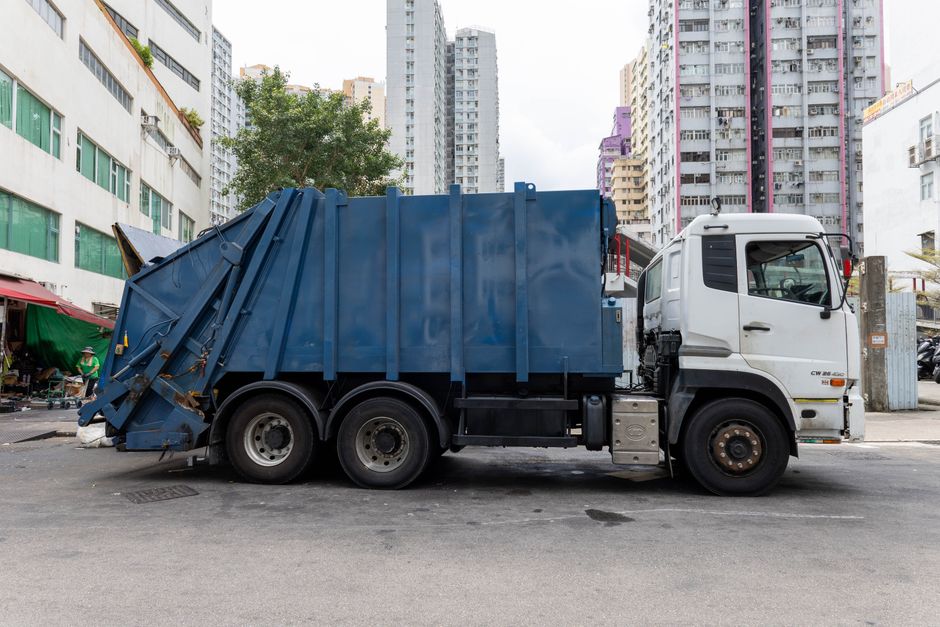
Clearance for bulky waste in RM8: disposal options
Posted on 10/06/2026

If you are staring at an old sofa, a broken wardrobe, or a fridge that has finally given up the ghost, you are probably not looking for theory. You want the simplest, safest way to get it gone. That is exactly what this guide on Clearance for bulky waste in RM8: disposal options is here to help with. RM8 homes and flats can throw up awkward stairs, tight hallways, limited parking, and the usual time pressure of a busy week, so the "best" disposal method is often the one that fits your space, your schedule, and your budget without turning the whole thing into a saga.
Below, you will find a practical breakdown of the main disposal routes, how they differ, when each one makes sense, and what to avoid. We will also look at recycling, reuse, access challenges, safety, and the sort of local planning that saves hassle later. Let's face it, bulky waste has a habit of becoming a problem the moment you stop ignoring it.
Why Clearance for bulky waste in RM8: disposal options Matters
Bulky waste is not just "big rubbish". It usually includes items that are awkward to carry, expensive to move, or too large for normal household bins: sofas, armchairs, beds, mattresses, wardrobes, dining tables, cabinets, white goods, exercise equipment, and sometimes office furniture. In a place like RM8, where many properties have shared entrances, narrow stairwells, or parking restrictions, the disposal decision affects far more than the item itself.
Choosing the wrong route can mean missed collection windows, extra lifting risk, damage to walls and floors, annoyed neighbours, or wasted money. Choosing the right route, on the other hand, keeps things tidy and efficient. It can also improve reuse and recycling outcomes, which matters if you want to avoid simply sending everything straight to disposal.
There is also a mental benefit, oddly enough. A cleared room looks bigger, smells fresher, and feels much easier to use. You notice it after the fact. One spare sofa removed, and suddenly the hallway breathes again. Small thing, big difference.
For anyone planning a move or a wider clear-out, bulky waste disposal often overlaps with other practical tasks. You may find it useful to think about the wider moving process too, especially if the clearance is part of a house reset. A guide like decluttering before a move can help you decide what is worth keeping before you arrange removal.
How Clearance for bulky waste in RM8: disposal options Works
In practice, bulky waste disposal is about matching the item to the right route. Some items can be reused. Some can be broken down and recycled. Others need specialist handling because they are heavy, awkward, or contaminated. The main question is not just "how do I get rid of it?", but "what is the most sensible end point for this item?"
Most disposal routes fall into a few familiar categories:
- Reuse - donating or passing on items that are still usable.
- Recycling - separating materials like metal, wood, and some plastics where possible.
- Collection - arranging a collection from a local or private provider.
- Take-to-site disposal - loading items yourself and taking them to an approved facility if available to you.
- Specialist clearance - booking help for multiple items, difficult access, or very heavy objects.
What happens next depends on a few practical factors: size, condition, weight, access, urgency, and whether the item can be safely moved by one person or needs a team. If you live in a flat, the staircase and landing width matter a lot more than people expect. So does whether the item can come apart cleanly or has to be carried whole.
In many real-world cases, a mixed approach works best. For example, a sofa might be suitable for reuse, a broken chest of drawers might be recycled, and an old mattress may need a separate route because it is bulky and awkward to handle. The cleanest solution is often not one disposal method, but a sensible combination of two or three.
If you are dealing with furniture as well as waste, it can help to separate your thinking early. This is where related guidance like furniture removal support can be useful, especially when the item is bulky but still structurally sound.
Key Benefits and Practical Advantages
There are clear reasons people choose a structured clearance approach instead of trying to wing it on a Saturday afternoon. The advantages are not just about convenience, though that helps.
- Less physical strain - no improvised dragging, no awkward twisting, and fewer chances of back or hand injuries.
- Cleaner rooms faster - you clear space in one go instead of moving the same item three times.
- Better recycling outcomes - reusable parts and recyclable materials are easier to separate if the job is planned properly.
- Reduced risk of damage - to stairs, walls, bannisters, doors, floors, and the item itself.
- More predictable timing - especially useful when you are working around work shifts, school runs, or move-out deadlines.
There is also a subtle advantage that people sometimes miss: planning a disposal route helps you stop clutter from hanging around "just in case". We have all seen the corner of a room become a storage zone for broken things that are somehow still waiting for a decision. A proper clearance plan ends that cycle.
For homes in RM8, the practical value is even stronger if your building has awkward access. If you are navigating stairs, tight turns, or shared entry points, the right disposal method can make the difference between a calm job and a morning full of apologies to neighbours. The article on flat access and timing speaks to that sort of everyday reality rather well.
Who This Is For and When It Makes Sense
This topic is relevant to a surprisingly wide group of people. Bulky waste clearance is not just for people moving house. It comes up in all sorts of situations.
- Homeowners replacing damaged or outdated furniture.
- Tenants who need to clear an old sofa, mattress, or wardrobe before check-out.
- Landlords and letting agents handling post-tenancy clear-outs.
- Students leaving shared accommodation with leftover items.
- Small businesses clearing old office desks, chairs, or storage units.
- Older residents who want a safer, less physical disposal option.
It also makes sense when you only have one or two big items, but they are too awkward to manage alone. A piano, a freezer, or a heavy sofa is not the kind of thing you want to "just give a go" with a mate and a blanket. In our experience, that is exactly when people realise they needed a better plan in the first place.
If the item is valuable, sentimental, or unusually difficult to move, do not treat it like standard rubbish. A practical option such as specialist piano removal support is the safer route for delicate heavy items, and the same thinking applies to other specialist bulky pieces.
Step-by-Step Guidance
Here is a simple way to approach bulky waste clearance without overcomplicating it. Keep the sequence tight, and you will avoid a lot of unnecessary faffing.
- Identify the items
Walk through the property and list what needs to go. Separate furniture, white goods, electronics, mattresses, and mixed waste. A quick list on paper or your phone is enough. - Check condition and reuse potential
Ask a simple question: could someone else reasonably use this? If yes, it may be better to reuse or donate it rather than dispose of it. - Measure access
Look at door widths, stair turns, lift size, and parking distance. This is especially important in flats. A large item that is technically movable can still be a nuisance if the route out is awkward. - Choose the right route
Match the item to the disposal option that makes the most sense. Reuse first, recycling next, disposal only where needed. - Separate materials where possible
Remove loose cushions, drawers, detachable legs, and cables. The fewer mixed components, the easier the clearance. - Protect the route
Use floor coverings, gloves, and proper lifting help. If you are moving it through a narrow hallway, take your time. Speed is not your friend there. - Arrange collection or loading
Whether you are booking a service or loading into a van, make sure everything is ready before collection time. No one enjoys hunting for screws while the truck is waiting. - Confirm the area is left tidy
Sweep up dust, check behind furniture, and remove any stray fixings or packaging. It is the little things that make the place feel properly finished.
If you are bundling bulky waste clearance with a full move, planning in advance can save a remarkable amount of stress. A wider moving checklist, like this stress-free house move plan, can help you sequence everything properly.
Expert Tips for Better Results
Most clearance problems are not caused by the item itself. They are caused by poor preparation. That is the honest answer.
- Disassemble before you decide - if a wardrobe comes apart easily, you may be able to handle it more safely and increase the chance of recycling.
- Keep screws and fittings together - a small labelled bag saves headaches later, especially if a piece might be reused or reassembled.
- Use the right footwear - it sounds basic, but proper grip matters when you are carrying heavy items over hard floors or steps.
- Plan around building traffic - in shared blocks, late morning or early afternoon may be less disruptive than a busy commute slot. Not always, but often enough to matter.
- Think about where dust and dirt will fall - older sofas, mattresses, and storage units can leave a surprising trail when moved. A blanket or cover can be worth its weight.
- Separate sentimental decisions from disposal decisions - if you are not sure whether to keep a piece, put it aside for 24 hours. Then decide with a clearer head.
One practical observation from real-life clear-outs: people often underestimate how much space bulky items take once they are in a corridor. Even a "small" armchair can make a passage feel cramped. The earlier you stage items near the exit, the smoother everything feels.
For some items, storage buys time. If you are not ready to dispose of a sofa or bed frame today, it may be better to store it briefly rather than make a rushed decision. Guidance like storage options in Becontree Heath can help when you need a pause, not a permanent answer.
Common Mistakes to Avoid
The same few mistakes crop up again and again. None of them are dramatic on their own, but together they can create a proper headache.
- Leaving it too late - bulky waste takes longer to clear than people expect.
- Guessing the weight - if something feels light enough but is awkwardly balanced, it can still be dangerous.
- Ignoring access restrictions - stairs, lifts, and parking matter as much as the item.
- Forgetting the condition of the item - reusable items should not be treated like general waste.
- Trying to move a dangerous object alone - fridges, pianos, and heavy wardrobes need proper handling.
- Not checking what is mixed in - some items contain cables, fluids, batteries, or other components that need extra care.
Another mistake is assuming every "bulky waste clearance" is the same. It is not. A mattress, a sofa, and a filing cabinet each bring different handling needs. Honestly, that is where a lot of DIY plans go sideways. The item looks simple from one angle, then suddenly it is wedged in a doorway and everyone is pretending this was not their idea.
For very heavy or awkward pieces, it is worth reading a practical guide such as lifting heavy objects safely before you even start the move.
Tools, Resources and Recommendations
You do not need a warehouse of equipment, but a few basic tools make bulky waste disposal much safer and cleaner.
| Tool or resource | Why it helps | Best for |
|---|---|---|
| Work gloves | Improve grip and reduce cuts or scrapes | Most furniture and mixed bulky items |
| Furniture blankets | Protect walls, floors, and the item during movement | Sofas, cabinets, and painted surfaces |
| Trolley or sack truck | Reduces carrying strain on heavier objects | White goods, boxed items, and short-distance moves |
| Strong tape and labels | Keeps screws, parts, and small fittings together | Disassembled furniture |
| Rubble sacks or reusable bags | Contain loose waste and small broken components | Broken drawers, fixings, and mixed clear-out waste |
On the planning side, a sensible service overview can help you decide whether you need a simple move, a full clear-out, or a combination of services. If the bulky waste is part of a larger property reset, it may be worth reviewing the range of removal services available so you can line everything up in one go.
And if the job involves more than one heavy item, a moving guide on body mechanics and load balance can be quietly useful. A short read such as kinetic lifting practices gives you a better feel for how to move awkward items without fighting them.
Law, Compliance, Standards, and Best Practice
When bulky waste is cleared, the aim should be responsible handling and lawful disposal. You do not need to become a waste-law expert, but you do need to avoid careless shortcuts. In the UK, household waste should not be fly-tipped or left in public spaces, and anyone removing waste for others should act responsibly and keep records where appropriate. That much is plain common sense, really.
Best practice usually includes:
- using a legitimate disposal route rather than dumping items elsewhere;
- keeping waste separated where practical so reusable material can be recovered;
- handling electricals, batteries, and liquids with extra care;
- making sure access routes are safe for people and property;
- checking whether the service you use is insured and clear about what happens to collected items.
If a provider is collecting waste on your behalf, it is sensible to ask how items are sorted, where recyclable material goes, and whether usable furniture is redirected for reuse where possible. You do not need a lecture, just a clear answer. A decent provider should be able to explain the process without sounding vague.
Health and safety matters too. Heavy lifting, sharp edges, mouldy furniture, and broken glass can all create risk. If a job feels beyond a safe manual move, step back and choose a better route. The same logic applies across many property jobs, from safety-focused moving support to proper route planning in tight spaces.
Options, Methods, or Comparison Table
Here is a straightforward comparison of the main disposal options. The right choice depends on condition, urgency, access, and how much hands-on effort you want to put in.
| Option | Best for | Pros | Trade-offs |
|---|---|---|---|
| Reuse or donation | Items in good condition | Waste reduction, practical for good-quality furniture | Needs the item to be clean, usable, and accepted by the recipient |
| Recycling-focused clearance | Broken but separable materials | Better environmental outcome, useful for wood and metal | May need sorting or disassembly first |
| Booked collection | One-off bulky items or mixed household waste | Convenient, time-saving, less lifting for you | Availability and price vary |
| Self-haul | People with a suitable vehicle and lifting help | Direct control over timing | Requires labour, planning, and safe loading |
| Specialist clearance | Large, heavy, or awkward items; flats with access issues | Safer handling, less stress, more practical for tricky jobs | Usually the most structured option, so it may cost more than DIY |
If you are weighing up whether to use a manual move service, a van-based collection, or a full removal team, this is where decision-making gets easier. For example, a single chair is one thing. A three-piece suite from a top-floor flat is another. Different job, different answer.
Case Study or Real-World Example
Picture a typical RM8 flat clear-out. A resident is moving out, the property has a compact hallway, and there is an old sofa, a bed frame, and a freezer to clear. None of the items are impossible, but none of them are convenient either. The sofa is too large for the car, the bed frame is awkwardly bolted together, and the freezer is heavy enough that the landing suddenly feels narrower than it looked that morning.
In that kind of situation, the smart approach is usually:
- disassemble what can be safely broken down;
- separate reusable parts from general waste;
- choose one route for heavy lift items and another for lighter mixed items;
- protect walls and flooring before any movement starts;
- keep the exit route clear so nobody is stepping over boxes at the last minute.
The key lesson is simple: the job gets much easier once the items are sorted by type and difficulty. Without that bit of planning, people tend to bounce from one task to another, which is how a "quick clearance" turns into an all-day rearrangement of the entire home.
If you are dealing with something more specific, such as a bulky sofa that is still in decent shape, a furniture-focused guide like bulky furniture removal made easy is a useful way to think through the practical side of the job.
Practical Checklist
Use this before you book anything or start lifting. It keeps the whole thing grounded.
- List every bulky item that needs to go.
- Check whether anything can be reused, donated, or repurposed.
- Measure doors, stairs, lifts, and parking distance.
- Decide whether the item should be dismantled first.
- Remove loose parts, cushions, cables, and drawers.
- Protect floors, corners, and walls along the route.
- Wear proper gloves and footwear.
- Keep children and pets out of the moving path.
- Arrange collection or vehicle access in advance.
- Do a final sweep once the items are out.
It is a simple checklist, but it works. The room always looks better when the last bit of dust is gone and the awkward item is finally, blessedly, out of the way.
Get a free quote today and see how much you can save.
Conclusion
The best clearance for bulky waste in RM8 is the one that matches the item, the access, and the amount of effort you want to spend. Reuse where possible. Recycle where sensible. Use proper collection or specialist help when the item is too large, too heavy, or too awkward to manage safely on your own. That is the short version, and honestly, it is usually the right one.
If you take only one thing from this guide, let it be this: bulky waste becomes much easier to deal with once you stop treating it as one vague problem and start matching each item to the right disposal route. Small decisions made early save bigger headaches later. And a clear, uncluttered space has a way of making everything feel a bit more possible. Funny how that works.
For related planning support, you may also find it useful to review how to prepare a home for its next chapter, especially if the clearance is part of a move or reset.